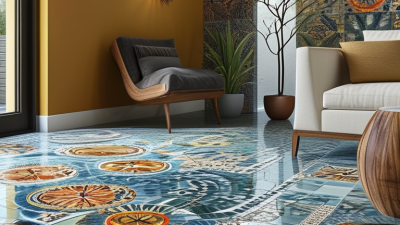
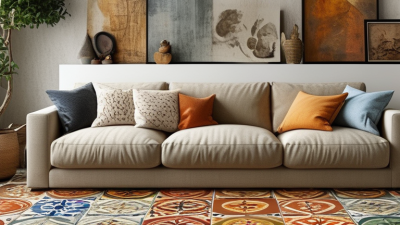
In today’s world of design, creativity really is more important than ever. When it comes to sprucing up a space, there are lots of elements you could choose, but Artistic Tilesdefinitely stand out. These tiles aren’t just about function — they’re practically a form of art, a way to express yourself. With their one-of-a-kind patterns and colors, they can turn dull, boring spots into lively, eye-catching features. Honestly, once you start exploring Artistic Tiles, you’ll find pieces that really speak to your sense of style and personality.
Picking the right Artistic Tiles isn’t just about what looks good – you also gotta think about how they play with light and fit into the space. Shops like Mosaic House and Tile Gallery offer tons of options, each with its own story. Choosing the perfect ones can really elevate your home, but let’s be real, it can also feel pretty overwhelming with so many choices out there. Sometimes, people get caught up chasing trends and forget what their own style really is.
As we dig into the top 10 Artistic Tiles in this article, I encourage you to think about what really clicks with your vision. Each tile has the potential to make a statement, but remember — what’s perfect is totally subjective. A tile that seems a little off at first might actually inspire some unexpected creativity. So, don’t stress about imperfections. Instead, embrace them and let Artistic Tiles guide you as you develop your unique style.
Exploring the Role of Artistic Tiles in Interior Design
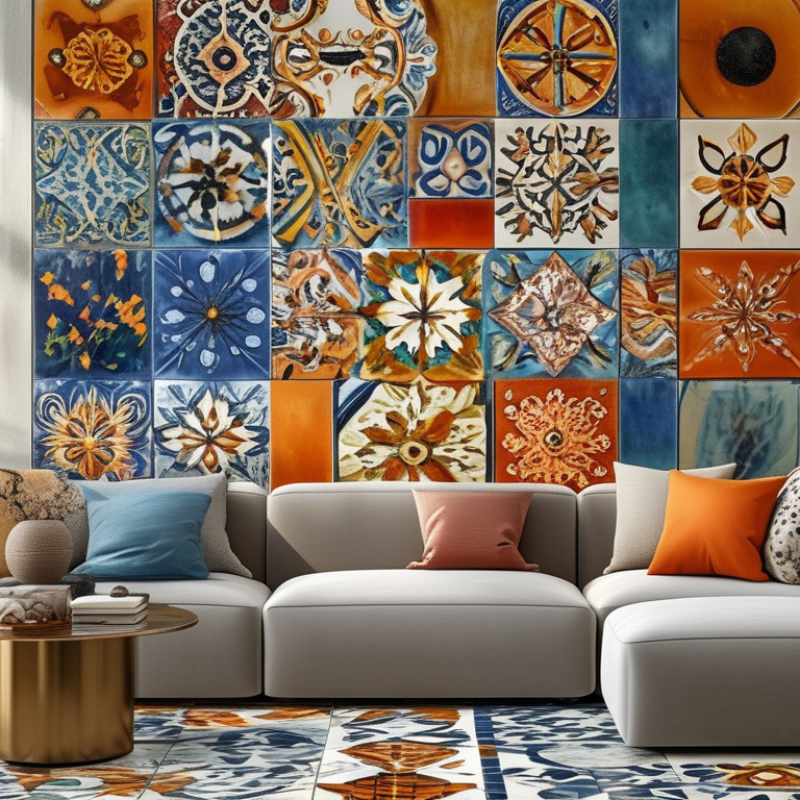
Artistic tiles play a significant role in enhancing interior design. They are not just functional; they are statements of style. Whether it’s a bathroom, kitchen, or feature wall, these tiles add character. Their versatility allows for creative expression. You can choose from ceramic, glass, or even natural stone. Each material offers unique aesthetics and textures.
Details matter in design. When using Artistic Wall Tiles, consider patterns and colors that resonate with your overall theme. Bold geometric designs can energize a space, while soft florals can create a calming atmosphere. Combining different tiles can lead to stunning visual contrasts. However, overdoing it might result in a chaotic look. Balance is essential.
Placement is crucial too. A beautifully tiled backsplash or an accent wall can draw attention. However, excessive use in small rooms might feel overwhelming. It’s important to reflect on how these tiles fit into your space. Take a step back and assess their impact. Artistic Wall Tiles can elevate your interior, but thoughtful consideration is key. Strive for harmony in design.
Types of Artistic Tiles: Materials and Styles to Consider
When considering artistic tiles for your interior space, various materials and styles can redefine aesthetics. Ceramic and porcelain tiles are popular choices due to their versatility. They come in vibrant colors and intricate designs, making them ideal for any room. Natural stone tiles, like marble or slate, offer a luxurious touch. Their unique textures and patterns can serve as focal points in your design.
Thin Artistic Tiles have gained attention for their lightweight and easy installation. These tiles allow for creativity without the bulk. You can use them to create stunning wall designs or to accentuate specific areas. Glass tiles add a contemporary flair with their reflective quality. They work well in kitchens and bathrooms, where light plays a crucial role. Mosaic tiles, on the other hand, offer a chance to express individuality. Their mix of colors and shapes can transform surfaces into art.
Consider the overall theme of your space. Artful combinations can lead to unbalanced designs. Each type has its own maintenance requirements that might be overlooked. For instance, while ceramic is durable, some natural stones may require sealing. Balance aesthetic appeal with practicality to ensure your choices are both beautiful and functional.
Top 10 Artistic Tiles to Elevate Your Interior Design Ideas
| Tile Type | Material | Style | Color Options | Best Use |
| Mosaic Tiles | Ceramic/Glass | Traditional/Contemporary | Multicolor | Bathroom, Backsplashes |
| Terracotta Tiles | Clay | Rustic | Earth Tones | Patios, Entryways |
| Subway Tiles | Ceramic | Modern | White, Black, Gloss | Kitchens, Bathrooms |
| Patterned Tiles | Ceramic/Porcelain | Art Deco/Vintage | Varied Colors | Accent Walls, Floors |
| Glass Tiles | Glass | Contemporary | Clear, Frosted | Backsplashes, Showers |
| Stone Tiles | Natural Stone | Rustic, Organic | Gray, Brown, Beige | Living Rooms, Patios |
| Vinyl Tiles | Vinyl | Modern | Various | Affordable Spaces |
| Cement Tiles | Cement | Bohemian | Bright Colors | Floors, Walls |
| 3D Textured Tiles | Ceramic/Porcelain | Contemporary | Neutral Shades | Feature Walls |
| Porcelain Tiles | Porcelain | Classic/Modern | Various | High Traffic Areas |
Color Psychology: How Tile Shades Impact Interior Spaces
Color psychology plays a vital role in the world of interior design, especially when it comes to tile selections. Tiles, often overlooked, can greatly influence the mood of a space. For example, warm colors like reds and yellows can create a sense of vibrancy and energy. In contrast, cool tones such as blues and greens can evoke tranquility and calmness. Choosing the right shade can establish the desired atmosphere in any room.
Texture also impacts perception. Glossy tiles reflect light, making spaces feel larger and more inviting. Conversely, matte finishes absorb light and can create an intimate, cozy environment. A bright, cheery yellow tile may uplift a kitchen, while deep, rich hues could enhance a living room's warmth. When selecting tiles, consider how different shades affect emotions and behavior. People often respond differently to colors based on personal experiences, which makes careful selection essential for achieving the intended ambiance.
Yet, not every color works for every space. A vibrant red in a small bathroom might overwhelm rather than invigorate. Users need to balance personal preference with the psychological effects of color. Experimentation is key, as combining various shades and textures can yield unexpected results, revealing more about individual taste and emotional responses. Choosing tiles wisely provides numerous opportunities for playful design exploration, each influencing how one feels at home.
Innovative Tile Patterns: Transforming Walls and Floors
Innovative tile patterns can dramatically transform your walls and floors, adding a unique touch to your interior spaces. Geometric tiles are a popular choice, creating visual interest with their sharp lines and angles. Mosaic patterns, on the other hand, offer a chance to be more playful and creative. Consider mixing various colors to achieve a stunning effect, but be mindful of creating a cohesive look.
When choosing tile patterns, think about the mood you want to set. Bold stripes can energize a room, while soft, flowing patterns can create a serene atmosphere. It’s essential to balance your choices with the other design elements in your space. Tiles should not overpower the overall aesthetic.
**Tips:** Ensure that the scale of the tile complements the size of your space. Larger tiles can make small areas feel more expansive, while busy patterns may overwhelm a tiny room. Don't hesitate to experiment with layouts; sometimes, a simple shift in alignment can transform a boring floor into something dynamic. Remember, it’s okay if every tile isn’t perfect. Embrace the imperfections as they tell a story about your unique design journey.
Incorporating Artistic Tiles in Different Rooms
Incorporating artistic tiles can dramatically transform various rooms in your home. In kitchens, these tiles become a vibrant focal point. A recent industry report found that colorful patterns increase perceived kitchen value by up to 15%. When tiles reflect unique designs, they elevate the overall aesthetic. Many homeowners use these tiles behind the stove or as a backsplash, adding personality to the space.
In bathrooms, artistic tiles serve both function and style. According to a study by the National Kitchen and Bath Association, 36% of homeowners prioritize Decorative Tiles for shower spaces. A beautifully tiled shower can create aspa-like experience, enhancing relaxation. Consider using geometric patterns or floral designs on the walls. This approach adds depth and creates an inviting atmosphere.
Living rooms also benefit from artistic tiles. Using them around fireplaces or as accent walls can be striking. The Tile Council of North America suggests that textured tiles can improve acoustic quality. While these designs can inspire creativity, they come with challenges. Balancing bold patterns with other décor can be tricky. It's essential to maintain cohesion without overwhelming the space. A thoughtful approach will ensure your artistic tiles shine without cluttering the room.
Maintenance Tips for Keeping Artistic Tiles Looking Fresh
Artistic tiles can transform your interior spaces. However, maintaining their beauty requires effort. Here are some essential tips.
Regular cleaning is vital. Use a soft cloth and mild detergent. Avoid harsh chemicals as they can damage the surface. Rinse thoroughly to prevent residue buildup. This keeps your Artistic Mosaic looking vibrant and fresh.
Be mindful of high-traffic areas. These spots often accumulate dirt more quickly. Consider adding rugs or mats to protect your tiles. Inspect the grout regularly. Discolored or cracked grout can diminish the overall appearance. Fixing it promptly will enhance durability.
Humidity can affect artistic tiles. In damp areas, ensure proper ventilation. This helps prevent mold growth. Maintain a balance in your home environment. An occasional deep clean is beneficial. Though perfect maintenance sounds ideal, life can get busy. Focus on consistency, but allow some imperfection. Embrace the unique charm that Artistic Mosaic tiles bring.
Trends in Artistic Tile Designs for Modern Interiors
When transforming interiors, artistic tile designs have emerged as a fresh trend. These designs bring creativity and character to spaces. Notably, patterns and textures play a vital role in modern decoration. Artistic tiles can transform mundane areas into vibrant focal points. They allow homeowners to express their unique styles, breaking away from traditional norms.
One of the standout trends involves the use of Artistic Bricks. These textured tiles offer depth and warmth, enriching both walls and floors. Homeowners often find themselves captivated by the variety in colors and finishes available. Textured surfaces can evoke feelings of nature, bringing the outdoors inside. However, achieving balance with these elements can be challenging. Too many contrasting styles can overwhelm a space. It’s essential to remain mindful of proportions and ensure a cohesive look.
Another trend is mixing various tile sizes and shapes. Combining large geometric tiles with small mosaic pieces creates visual interest. Despite this, striking harmony can be tricky. With so many choices, it's natural to feel uncertain. Experimenting on a small scale can provide insight before making large decisions. Careful consideration of lighting and room purpose is crucial. Each artistic tile choice should enhance, not detract from, the overall aesthetic.
Exploring the Timeless Appeal of Square Volcanic Rock Tiles: Nature Meets Classic Design
The allure of square volcanic rock tiles lies in their unique combination of natural beauty and timeless design. The classic square shape not only makes these tiles easy to install but also enables homeowners and designers to create neat and regular patterns that can complement various decor styles. Whether in a contemporary urban setting or a rustic retreat, these tiles serve as a versatile foundation for any space, effortlessly enhancing its aesthetic appeal.
One of the most striking features of volcanic rock tiles is their natural texture. The porous and rough surface gives each tile a character that is distinctly organic, allowing it to resonate with nature and create a welcoming ambiance. This rustic charm is not only visually appealing but also functional; volcanic rock is renowned for its high strength and durability. These tiles can withstand wear and tear, making them suitable for high-traffic areas while maintaining their integrity over time.
Moreover, the excellent water absorption capabilities of volcanic rock contribute to a balanced indoor environment. The tile's porous structure allows it to regulate humidity, promoting comfort within the space. With their ability to blend timeless design with the robust qualities of natural materials, square volcanic rock tiles are a compelling choice for those looking to enrich their living or working environment with both style and practicality.
FAQS
: Color psychology significantly impacts mood. Warm colors energize, while cool tones create calmness.
Glossy tiles reflect light, making spaces feel larger. Matte finishes create a cozy, intimate atmosphere.
No, some colors can overwhelm. A vibrant red may not suit a small bathroom.
Different shades evoke various emotions. Mixing colors may yield unexpected and personalized results.
Unique patterns create visual interest. Geometric designs are sharp, while mosaics can be playful.
Consider the mood you want. Bold patterns energize; soft patterns create serenity. Balance is key.
Larger tiles make small areas feel expansive. Busy patterns may overwhelm tiny spaces.
Imperfections add character and tell a story. They reflect your unique design journey.
Artistic tiles bring creativity and character, allowing expression away from traditional designs.
Combining large and small tiles adds depth. Finding harmony in this mix can be tricky, though.
Conclusion
Artistic tiles play a pivotal role in enhancing interior design, offering a unique blend of aesthetics and functionality. From an array of materials and styles, such as ceramic, glass, and mosaic, these tiles allow for creative expression and personalization in any space. The psychological impact of color is crucial, as different shades can evoke various emotions and transform the atmosphere of a room. Innovative tile patterns have become a trend, allowing designers to inventively change the look of walls and floors, further elevating interior spaces.
Incorporating artistic tiles in different rooms, from kitchens to bathrooms, provides endless design possibilities and can serve as focal points or subtle enhancements. Regular maintenance tips ensure these tiles maintain their charm and durability over time. As trends continue to evolve, staying updated on contemporary artistic tile designs can help homeowners and designers alike create modern interiors that reflect their unique styles and preferences.