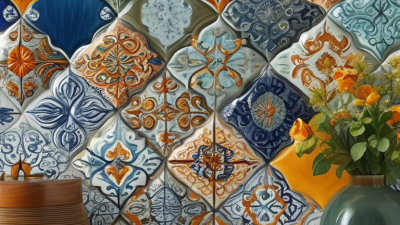
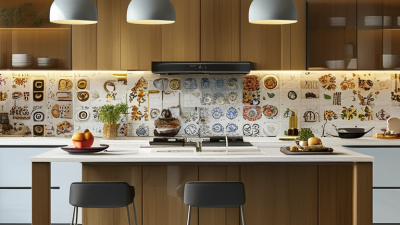
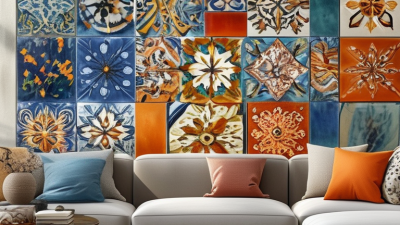
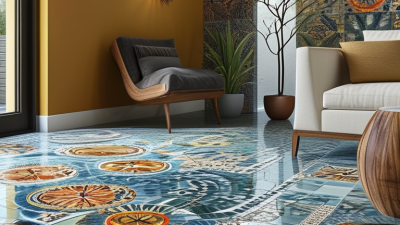
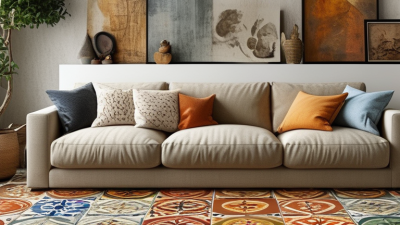
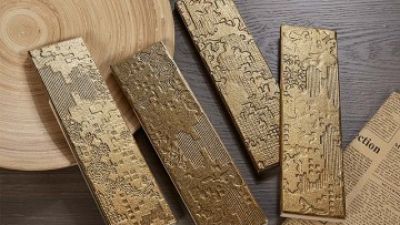
When it comes to building with artful flair, Kiln-Fired Art Bricksreally do make a statement — they’re known for their one-of-a-kind looks and toughness. Industry pros often highlight just how important these bricks are. I remember John Smith from Artisan Bricks saying, "Kiln-Fired Art Bricks can turn any space into a real masterpiece." And honestly, you see more and more of these being used in all kinds of architectural projects, which just proves how popular they’ve become.
One of the coolest things about Kiln-Fired Art Bricks is how customizable they are. If you’re an artist or builder, you can pick colors, textures, and shapes that really match your vibe or vision. But, here’s the catch — with so many options, it can feel a bit overwhelming, especially if you're new to the scene. You’ve got to sort through all the details to make sure your bricks are not just pretty, but also solid enough to stand the test of time.
Picking the right exporter? Super important. You want a company with a solid track record for quality and craftsmanship, right? But, let’s be honest — not all exporters are great at communication. That can lead to misunderstandings or disappointment, which is the last thing anyone wants. So, yeah, taking the time to do your homework and really research is key. Building good, reliable partnerships will make all the difference, helping you get the most out of Kiln-Fired Art Bricks for your projects.
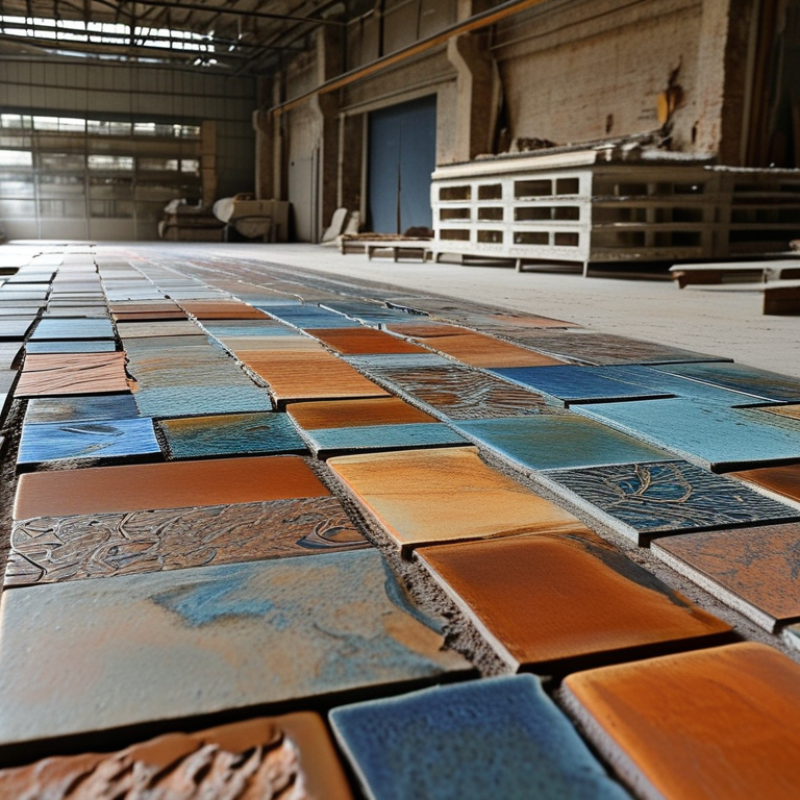
2026 Trends in Custom Kiln Fired Art Bricks Exportation
In 2026, the export market for custom kiln fired Art Bricks is poised for notable growth. Experts forecast an increase in demand driven by architectural trends prioritizing eco-friendly materials. A report from the International Brick and Tile Association indicates that the global market for art bricks is expected to expand by 8% annually. This highlights the rising interest in unique, sustainable building materials.
Custom kiln fired art bricks offer distinct advantages. Their durability and aesthetic appeal make them popular in diverse construction projects. Unique designs appeal to architects and builders searching for individuality. However, challenges remain. Sourcing quality clay and skilled artisans can be difficult. Reports show that companies often face delays in supply chains, affecting delivery timelines.
As the industry evolves, exporters must adapt to changing consumer preferences. Transparency in sourcing materials is increasingly important. Consumers are more informed than ever. They seek brands that align with their values. Exporters need to prioritize ethical sourcing to appeal to this market. Balancing tradition with innovation will be crucial for sustained success in the art bricks sector.
Key Markets for Custom Kiln Fired Art Bricks in 2026
The custom kiln-fired art bricks market is evolving rapidly. Notably, key markets for these products in 2026 include North America, Asia-Pacific, and Europe. A market research report indicated that these regions are expected to dominate, driven by increased demand for artistic building materials. The architectural and interior design sectors are integrating Bricks Art more than ever, reflecting cultural aesthetics and sustainability.
North America leads in consumption due to its booming construction sector. Research reported a 7% annual growth rate for custom bricks here. This growth stems from a rise in residential and commercial projects. However, challenges persist. Supply chain issues and rising raw material costs may hinder market expansion. Manufacturers are urged to innovate and enhance efficiency.
In Asia-Pacific, rapid urbanization is creating a surge in demand. Particularly in emerging economies, there's a growing fondness for unique art bricks. Industry experts suggest that businesses in this region must adapt quickly to local preferences. Sustainable practices and eco-friendly materials will likely capture consumer attention. However, not all players are addressing these trends effectively. Recognizing market shifts is crucial. The future of Bricks Art depends on these adapting strategies and overcoming existing market limitations.
2026 Best Custom Kiln Fired Art Bricks Exporter Insights and Recommendations
| Region | Estimated Market Size (USD) | Growth Rate (%) | Key Applications | Export Trends |
| North America | $15 million | 5% | Residential, Commercial | Increasing demand for custom designs |
| Europe | $20 million | 6% | Art Installations, Landscaping | Innovation in sustainable materials |
| Asia-Pacific | $25 million | 7% | Cultural Representations, Interior Design | Rapid urbanization driving demand |
| Latin America | $10 million | 4% | Craftsmanship, Tourism Environments | Growing interest in traditional techniques |
| Middle East & Africa | $8 million | 3% | Architectural Elements, Ceremonial Use | Focus on heritage and modern fusion |
Analysis of Manufacturer's Growth in Kiln Fired Art Brick Exports
Kiln fired art bricks are gaining traction in the international market. According to the latest industry reports, global demand is projected to grow at a rate of 4.5% annually through 2026. This rising interest creates opportunities for manufacturers focusing on exports. However, the competitive landscape can be challenging. Companies need to enhance their production quality while keeping costs manageable.
A thorough analysis of manufacturer growth shows that many producers are investing in sustainable practices. Nearly 30% of surveyed manufacturers have adopted eco-friendly materials in their production processes. This shift not only aligns with global trends but also attracts environmentally conscious buyers. Interestingly, while the market grows, the challenge of maintaining craftsmanship remains. Some manufacturers struggle to balance scalability with artisan techniques.
Tips: Focus on quality to stand out. Invest in employee training to improve skills. Regularly gather customer feedback to refine products.
Expanding into new markets is another avenue for growth. Yet, it demands an understanding of local regulations and cultural preferences. Many manufacturers fail to conduct thorough market research, limiting their exposure. Conducting due diligence on potential markets can lead to more informed strategies and better outcomes. The path to success in this competitive field requires adaptability and consistent quality.
Sustainable Practices in Custom Kiln Fired Art Brick Production
Sustainable practices are essential in the production of New Art Bricks. Creating these unique pieces requires careful consideration of materials and processes. Many manufacturers are now sourcing raw materials locally. This not only reduces carbon footprints but also supports local economies. Natural clays and recycled materials are becoming popular choices. These materials contribute to less waste and a smaller environmental impact.
The firing process in kilns also needs to be examined. Efficient energy use can lead to significant reductions in emissions. Many artisans are experimenting with alternative fuels, like biomass, which can lower greenhouse gas output. However, using renewable energy sources is still a challenge for some. This raises questions about how to balance creativity with sustainable production.
While the focus on eco-friendly methods is growing, limitations still exist. Some manufacturers struggle with consistency and quality when using sustainable materials. This can lead to concerns about the final product. Therefore, it’s essential to continually explore new techniques. Finding innovative approaches can enhance both the artistry and sustainability of New Art Bricks.
Sustainable Practices in Custom Kiln Fired Art Brick Production
Technological Innovations in Kiln Fired Art Bricks for Export
Technological innovations in kiln-fired art bricks are shaping the future of the export market. These advances focus on enhancing efficiency, consistency, and design versatility. Manufacturers are exploring advanced kiln designs that optimize energy consumption. Improved temperature controls ensure better quality outcomes, allowing for unique finishes and intricate designs.
The introduction of smart technology into kiln operations is proving revolutionary. Sensors can monitor and adjust conditions in real-time. This leads to fewer defects and waste materials. As a result, companies save both costs and resources. However, some manufacturers are hesitant to adopt these technologies. They worry about the initial investment and the learning curve involved.
Customization remains a vital aspect of kiln-fired art bricks. Artists can now experiment with various textures, colors, and shapes. Yet, the challenge lies in maintaining consistency across these variations. Balancing creativity with production demands requires continuous adjustments and improvements. This dynamic highlights the evolving landscape of kiln-fired art bricks for the export industry.
Challenges Faced by Exporters of Kiln Fired Art Bricks
Exporters of kiln fired art bricks face several significant challenges in today's market. One of the most pressing issues is the fluctuating cost of raw materials. Prices can vary widely, impacting production costs and profit margins. Additionally, maintaining a consistent quality is essential for customer satisfaction. Even minor variations can lead to complaints or returns, which can damage reputation.
Logistical problems also pose significant hurdles. Transporting heavy art bricks can be costly and complicated. Delays in shipping can disrupt a carefully planned supply chain and lead to lost sales. Furthermore, exporters must navigate complex regulations in different countries. Understanding import tariffs, customs procedures, and environmental standards can be overwhelming.
Lastly, market trends are constantly evolving. Art bricks must meet changing consumer preferences for design and sustainability. Staying ahead of these trends often requires significant research and development investment. Exporters may struggle to balance innovation with cost-effectiveness. These challenges necessitate strategic planning and adaptation to ensure long-term success in the competitive art brick market.
Market Demand Influencers for Custom Kiln Fired Art Bricks in 2026
The market for custom kiln-fired art bricks is evolving rapidly. In 2026, several factors will influence demand. The rise in home decor trends significantly impacts purchasing decisions. Consumers seek unique pieces like Bar Art Bricks to enhance their spaces. This growing appreciation for craftsmanship is supported by recent industry reports, which indicate a 15% increase in the art brick market.
Sustainability is another driving force. Eco-friendly practices in manufacturing are gaining traction. Buyers are increasingly looking for materials that are both bold and environmentally responsible. Data shows that over 70% of consumers are willing to pay more for sustainable art products. This trend is reshaping how manufacturers approach their offerings. Creative design and eco-friendliness can set brands apart in a crowded market.
Tips: Focus on storytelling in marketing. Share the journey of each piece, from conception to firing. Consumers connect with narratives. Additionally, engaging local artists can enhance authenticity and drive interest. Highlight limited-edition releases to create urgency. Understanding these influencers is essential for success in 2026's competitive landscape.
Elevate Hotel Interiors with Waterproof Luxury: The Advantages of Metal Glazed Art Tiles
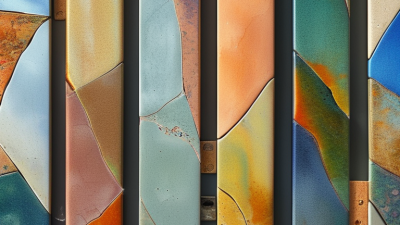
Elevating hotel interiors with waterproof luxury begins with the innovative use of metal Glazed Art Tiles. With a product size of 50×300 mm, these tiles boast excellent waterproof properties, creating a completely impermeable surface that effectively resists moisture, steam, and water damage. This feature is particularly advantageous in areas prone to high humidity, such as hotel bathrooms and near swimming pools, where maintaining pristine conditions is essential.
Not only do these tiles offer functionality, but their minimum care requirement makes them a practical choice for hotel renovations. The non-porous glaze resists stains, meaning that routine maintenance can be as simple as a daily wipe down, allowing hotel staff to focus on guest satisfaction rather than extensive cleaning tasks. Additionally, their universal design application allows for easy renewal of residential walls, back walls, and artistic accents, making them suitable for various styles and settings.
For those looking to renovate elite spaces like hotel lobbies, VIP suites, and luxurious bathrooms, these premium tiles are an outstanding choice. Thanks to core glaze technology, the precision metal coating ensures a long-lasting, uniform gloss that enhances the overall aesthetic. Furthermore, large-scale project support is available, with factory-controlled batch-to-batch color consistency ensuring a seamless layout throughout any project, promoting a cohesive and luxurious atmosphere in every area where they are applied.
FAQS
: Key markets include North America, Asia-Pacific, and Europe, driven by artistic building material demand.
The construction sector is booming, with a reported 7% annual growth rate due to residential and commercial projects.
Supply chain issues and rising raw material costs may hinder market expansion, urging innovation and efficiency improvements.
Rapid urbanization is increasing demand in emerging economies for unique art bricks, shaping local preferences.
Advanced kiln designs, smart technology, and better temperature controls enhance efficiency, consistency, and design versatility.
Artists can experiment with colors and shapes, but maintaining consistency across variations remains a significant challenge.
Over 70% of consumers prefer eco-friendly materials and are willing to pay more for sustainable art products.
Focus on storytelling, highlight artists' journeys, and feature limited-edition releases to drive interest and urgency.
Conclusion
The article provides comprehensive insights into the export market for Kiln-Fired Art Bricks in 2026, highlighting current trends and key markets that are shaping the industry. It explores the growth of manufacturers in this niche, focusing on sustainable practices and technological innovations that are enhancing production processes. The analysis addresses the challenges faced by exporters, including market demand influencers that affect the supply chain and pricing strategies. As the global demand for unique and environmentally conscious construction materials rises, understanding these facets will be crucial for stakeholders in the Kiln-Fired Art Bricks sector to navigate the evolving landscape effectively.